
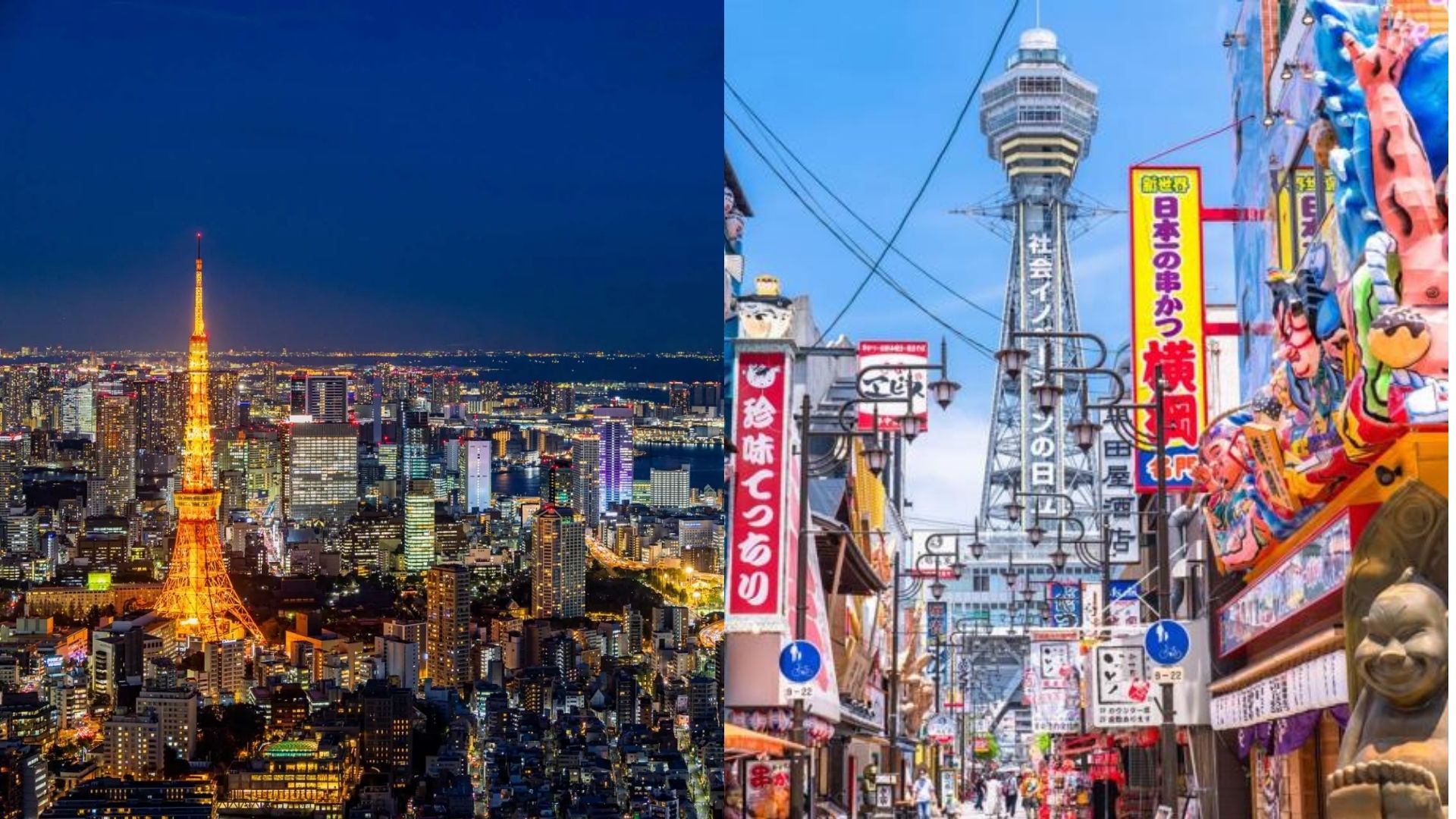
Tokyo and Osaka are the two largest urban economies in Japan. Both attract strong interest from overseas investors. Their characteristics differ in price, yield, tenant demand, and liquidity. Understanding these differences keeps investment decisions efficient.
Tokyo: Scale and Stability
Tokyo is the center of business, finance, and government in Japan. Transaction volume is the highest in the country. Population inflow is continuous. Vacancy risk stays low in most central wards. Large redevelopment projects maintain long-term asset value. High demand pushes prices up and reduces gross yields. Competition for quality assets is strong. Investors prioritize capital preservation and liquidity.
Key traits:
- Highest price levels
- Strongest tenant demand
- Lower rental yields
- Fast exit when selling
Osaka: Yield and Growth Potential
Osaka is the commercial engine of western Japan. Price levels remain below Tokyo. This creates higher rental yields for the same property type. Tourism supports demand for short-term and retail assets. Ongoing redevelopment around areas like Umeda and Namba increases growth prospects. Liquidity is smaller than Tokyo. Time to close sales can be longer.
Key traits:
- Affordable entry prices
- Higher yields
- Strong tourism-related demand
- Moderate liquidity
Risk and Return Alignment
Tokyo offers stability and quick transactions. Osaka offers better income return with calculated liquidity and market size risks. Both markets allow free property ownership by foreigners. Loans for non-residents remain limited and bank-dependent.
Strategic Positioning
Capital preservation → focus Tokyo
Income optimization → consider Osaka
Portfolio diversification in Japan → combine both