
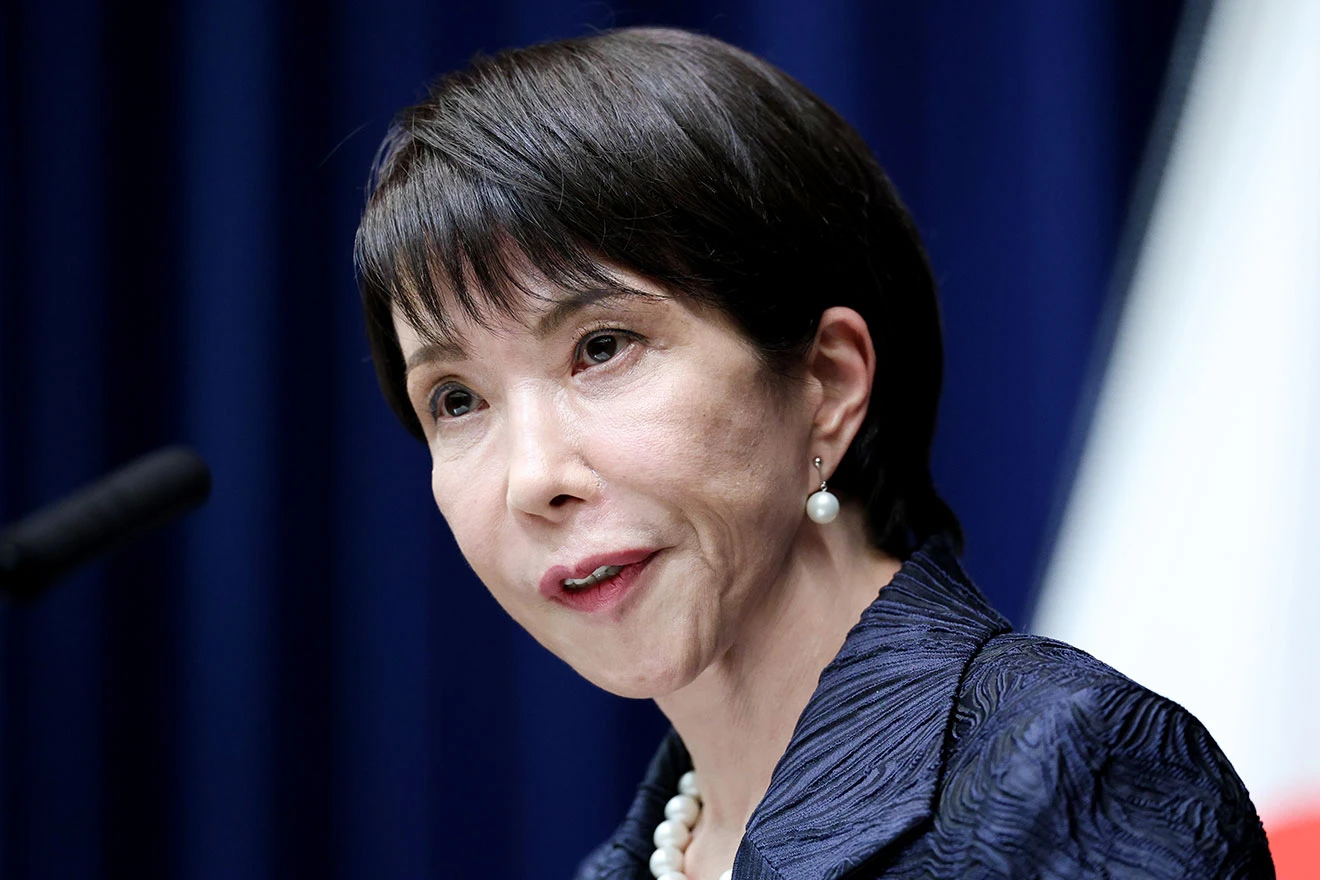
Sanae Takaichi has become Japan’s first female Prime Minister. Her stance favoring continued monetary easing and strong fiscal measures has supported investor sentiment. The Nikkei Index recently approached the 50,000-yen level, a significant rebound from the long period of post-bubble stagnation. The real estate market has remained active since the launch of Abenomics and continues to show strong momentum.
Continuity in Policy with Changing Financial Conditions
Takaichi is expected to pursue policy continuity. However, the financial context has shifted. The Bank of Japan has exited negative rates and signaled the intention to raise interest rates gradually. This contrasts with the administration’s preference for maintaining accommodative conditions. Rising rents provide a cushion, and the expectation of mild rate hikes has helped attract both domestic and foreign capital into real estate.
Political Attention on Foreign Real Estate Buyers
Housing affordability in central Tokyo has become a prominent political issue. Several parties argue that foreign purchases contribute to rising home prices and rents, making it harder for ordinary residents to live in the 23 wards. The LDP and opposition groups including Nippon Ishin no Kai and others have expressed similar concerns. Proposals include stronger oversight on property transactions near defense-related sites in urban Tokyo.
Market Data Shows Limited Foreign Impact
Industry data indicates that foreign participation is not the primary driver of price increases. Major developers report that foreign buyers account for roughly 10–20% of new condominium purchases, while some brokerage data suggests about 5% of total transactions involve overseas buyers. Developers note that speculative cases exist but remain a minority with limited influence on overall pricing.
Construction Costs and Land Constraints as Key Drivers
Property price inflation is largely attributed to rising construction costs and limited land supply. Building expenses are now estimated at 1.5 to 2 times pre-pandemic levels, far outpacing wage growth. Industry representatives argue that policy attention should focus more on this structural cost pressure rather than foreign buyers, as it plays a far greater role in driving current price trends.